
The UK alcoholic beverages market was valued at USD 51.8 Billion in 2025 and is projected to reach USD 75.7 Billion by 2034, exhibiting a CAGR of 3.88% during 2026-2034. The market relies on strong customer demand for high-quality beverages and craft drinks, the permanent social function of pubs, the increasing demand for drinks with no alcohol content, and the steady growth of off-site sales, which supermarkets support through their pricing, and people buying more products for home use. It has been reported that adults consume 10.7 litres of pure alcohol per person per year on average in the UK.
Beer leads 41.2% of category share in 2025 – beer has established itself as the top beverage choice due to its extensive cultural roots and its availability through both retail outlets and drinking establishments.
Supermarkets and hypermarkets leads 44.5% of the distribution channel share in 2025 – UK alcohol shoppers choose to shop at their store since they offer numerous products at affordable prices, while private-label alcohol products become more popular.
London holds the largest share at 16.2% in 2025 – high consumer affluence, a vibrant on-trade scene, tourism inflows, and strong demand for premium spirits and craft beverages anchor London’s market leadership.
Previously, the stable duty system gave a generation of spirits entrepreneurs the confidence to join what is becoming one of the UK’s growth success stories, with the number of distilleries rising from 350 to 1,050 (200% increase) over the last 7 years.
The tax burden on UK spirits is 70% on a typical £14 bottle of gin or whisky
Our spirits industry already spans the length and breadth of the UK. Spirits are among the top 5 food and drink manufacturing sectors in the UK, with 920 spirit producers.
Distilleries across the industry have been bringing together innovative ideas and their skills, coupled with hard work, to create an offering that consumers are looking for, benefiting the public finances, businesses, and inspiring more people to turn their passion for great British produce into a product.
Creating fertile conditions for growth will enable the industry to continue to flourish with new jobs and sustained investment, as well as providing growing, sustainable revenues for HM Treasury.
The UK alcoholic beverages market shows a premiumization trend since consumers choose to drink higher-priced products when they drink less often. The on-trade channel price increases, together with health awareness growth and consumers’ social status association with premium drinks, drive customers to select premium products in the beer, wine, and spirits markets. The number of cocktail bars in the United Kingdom experienced a 17.4% increase during 2024 when compared to the previous year. The increase in nightlife venues led to higher alcohol consumption in bars while creating additional opportunities for social drinking, which resulted in the continuous expansion of the UK alcoholic beverages market. The United Kingdom alcoholic beverages market trend provides main advantages to craft breweries, premium gin distillers, and aged whisky producers.
The RTD category is changing how alcoholic beverages compete in the UK market since it combines high-end spirit-based cocktails with portable canned and bottled drink options that people can easily access. Flavour innovation is the key element that distinguishes products from each other because tropical, citrus, and botanical flavour profiles attract younger UK consumers. Bacardi brought back its classic Breezer RTD product line in the UK market in June 2025 with three new flavours: Zesty Orange, Zing Lime, and Crisp Watermelon, which appeal to Gen Z tastes and Millennial nostalgia, thus supporting the prediction that RTD products will continue to grow in the UK alcoholic beverage market.
The United Kingdom’s on-trade channel, which includes pubs and bars, restaurants, and hospitality venues, serves as a vital distribution channel that has established itself as a major cultural force, which continues to operate successfully despite economic challenges. The pub functions as a main social gathering place, which maintains steady market demand for draught beer, premium spirits, and cocktails throughout both urban and suburban areas. Marston’s and Reconomy Connect established their glass reuse program in October 2025, which has already processed more than 102,000 bottles while operating at nearly 600 pubs. The initiative creates operational efficiency through waste reduction and collection cost savings, which supports the ongoing development of the UK alcoholic beverages industry.
The UK alcohol distribution system operates under supermarket and hypermarket control, which they maintain through their multi-buy deals and increasing private-label alcohol offerings and capacity to provide economical home drinking options. The UK alcoholic beverages market grows because retailers such as Tesco, Sainsbury’s, and Asda expand their online and in-store premium and specialist alcohol selections, which enables more customers to access mid-market and premium products.
Rising consumer affluence and premiumisation are driving value per unit.
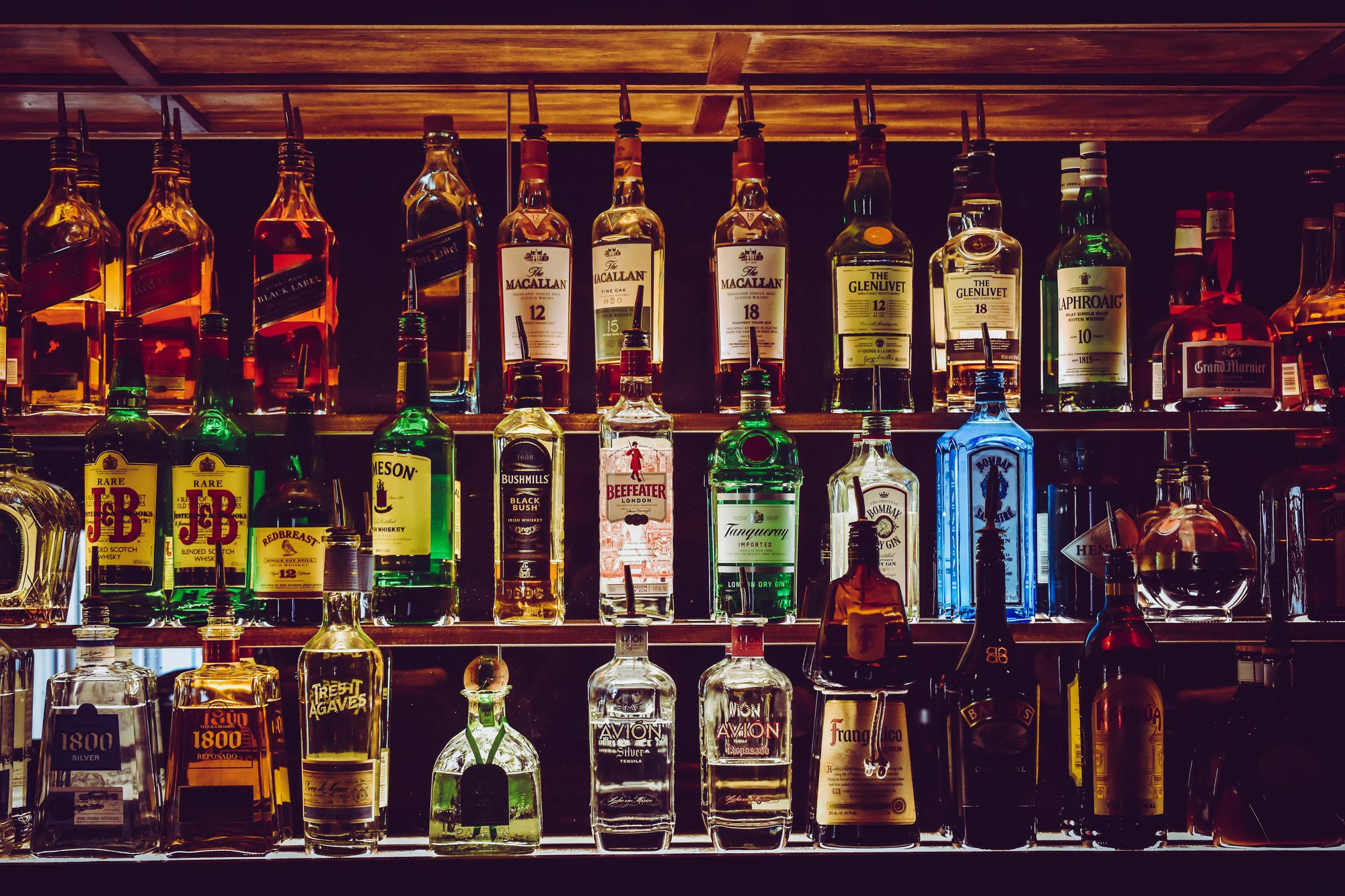
Most UK consumers continue to spend extra money for high-quality products that show their origins and provide special drinking experiences despite economic challenges that affect household budgets. The drinking pattern shows that people now consume less alcohol, yet spend more money during each drinking event, which leads to substantial revenue expansion within premium beer, aged whisky, craft gin, and high-end wine markets. The retail market for Johnnie Walker, The Macallan, and Tanqueray shows strong performance because these premium spirits have established brand equity, which drives gift purchasing at both supermarket and specialist retail locations.
The UK alcoholic beverages market is characterised by a highly competitive landscape featuring globally dominant producers, strong national operators, and a vibrant ecosystem of independent craft breweries and artisanal distilleries. Leading multinationals, including Diageo, AB InBev, Heineken, Carlsberg, and Pernod Ricard, maintain extensive brand portfolios across all major categories and leverage significant distribution scale across both on-trade and off-trade channels.




Leave A Comment